
Jeonju in Winter: A Day Trip From Seoul by KTX
Plan a winter day trip from Seoul to Jeonju by KTX: how to get there, a timed plan for the Hanok Village, Gyeonggijeon's winter hours, and what to eat.
On this page
By Bong Tour Editorial Team · Nov 27, 2026
Jeonju works as a day trip from Seoul. The KTX takes about 1 hour and 40 minutes, and the main sights for a first visit are in and around the Hanok Village: Gyeonggijeon Shrine, Jeondong Cathedral, Jeonju Hyanggyo, and Pungnammun Gate by Nambu Market. Here is how to get there, a timed plan for one day, and what to eat while you are in town.
QUICK FACTS
From Seoul: KTX from Yongsan, about 1 hour 40 minutes to Jeonju Station
By bus: express buses from Central City (Seoul Honam line) or Dong Seoul; intercity buses from Seoul Nambu
Gyeonggijeon Shrine, Nov–Feb: 09:00–18:00, last entry 17:00
Jeondong Cathedral: 09:00–17:00, closed to visitors during Mass, free
Jeonju Hyanggyo: 10:00–18:00, free
Free Hanok Village shuttle: runs year-round from Public Parking Lot No. 4
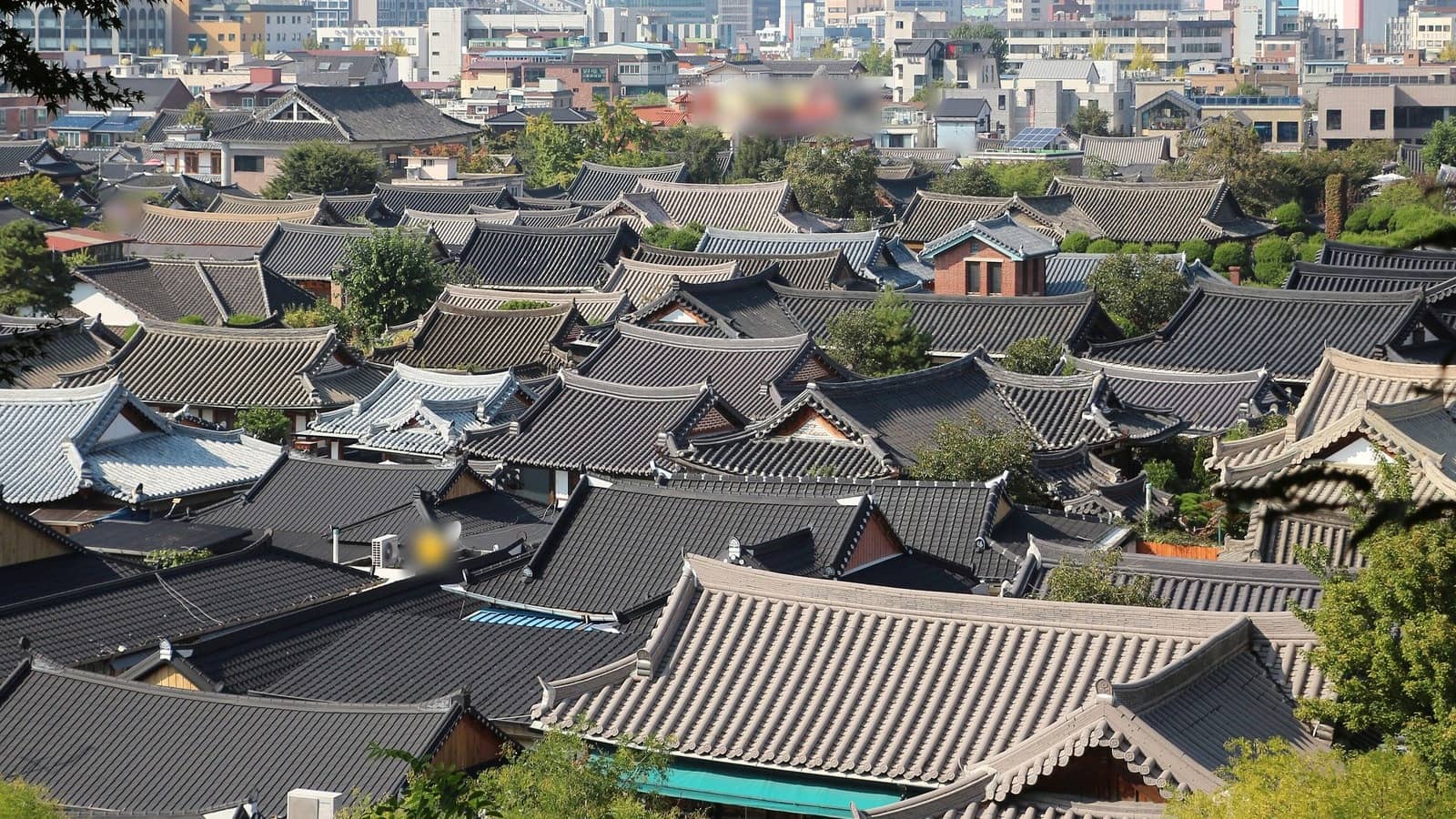
Tiled hanok roofs in Jeonju Hanok Village, with the modern city behind.
Why Jeonju in winter
Jeonju is the home of Jeonju Bibimbap, and its food suits cold days. Hotteok, tteokbokki, and steamed buns and dumplings are on the city's own list of winter foods, and Nambu Market is known for bean sprout soup with rice. The main sights are in and around the Hanok Village, which makes a one-day visit realistic. And if you decide to stay, the city suggests a night in a traditional hanok, warmed by its heated floor.
Getting there from Seoul
Option | Where you leave from | Where you arrive | Good to know |
|---|---|---|---|
KTX | Yongsan Station | Jeonju Station | About 1 hour 40 minutes. Trains to Jeonju leave Yongsan more often than Seoul Station. |
Express bus | Central City Terminal (Seoul Honam line) or Dong Seoul Terminal | Jeonju Express Bus Terminal | Book on Kobus (English; non-member booking needs a mobile phone number) or buy at the terminal. |
Intercity bus | Seoul Nambu Terminal | Jeonju Intercity Bus Terminal | Book on Bustago (English; non-member booking needs a date of birth and a mobile phone number) or buy at the terminal. |
Airport bus | Incheon Airport T1 (outdoor stops 12–13) or T2 (B1 transportation center, stop 8) | Jeonju | Buy at the airport's bus ticket counter or kiosk. |
The KTX is the simplest choice for a day trip. You can book on Korail's English website with your passport details and an email address, and pay with a card issued abroad. KTX tickets are also sold in the Korail+ app, which has combined the old SRT app and Korail Talk since August 3, 2026. Ticket counters and machines at the station also sell same-day tickets, but trains to Jeonju fill up on weekends and holidays, so book your return train when you book the trip out.
LOCAL TIP
Jeonju Station, the Express Bus Terminal, the Intercity Bus Terminal, and the airport bus stop in Jeonju are all in different places. Note which one your return ticket leaves from. The Express and Intercity terminals are side by side, about a 3-minute walk apart.
A few more things that help on the way:
Check the spelling on the ticket screen. Jeonju is easy to mix up with Gyeongju, Cheongju, and Jinju.
Korean stations have no ticket gates on the platform. Find your train number and track on the departure board, board, and sit in the exact car and seat on your ticket.
Coming from the Gangnam side of Seoul? Search Suseo to Jeonju in the Korail+ app: trains on the former SRT routes are booked there as KTX for trains running from September 1, 2026. If the times do not suit you, take a train from Suseo to Iksan and change there. Iksan to Jeonju is about 15 to 20 minutes by train.
Buses from Seoul stop once at an expressway rest area for about 15 minutes. Be back on board before the departure time the driver gives.
A timed day in Jeonju
The times below are an example. Shift them to match your train, and pick the exact KTX departures on Korail before you go.
DAY PLAN
~08:00 Leave Yongsan on a morning KTX (about 1 hour 40 minutes).
~10:00 Arrive at Jeonju Station. Take a taxi or a city bus to the Hanok Village; check the route in Naver Maps.
10:30  Gyeonggijeon Shrine (open from 09:00; last entry 17:00 in winter).
12:00  Lunch: Jeonju Bibimbap.
13:00  Jeondong Cathedral (09:00–17:00; not open to visitors during Mass).
14:00  Walk the Hanok Village lanes to Jeonju Hyanggyo (10:00–18:00).
15:30  Pungnammun Gate and Nambu Market for a late snack.
~17:00 Head back to Jeonju Station for your return KTX.
10:30 · Gyeonggijeon Shrine
Gyeonggijeon was founded in 1410 to hold the portrait of King Taejo, the founder of the Joseon dynasty. Inside the walls you will find the main hall, a bamboo grove, the Jeonju Archive where the Annals of the Joseon Dynasty were kept, and the Royal Portrait Museum to the north. From November to February it is open 09:00 to 18:00, and the last entry is at 17:00.
Adult admission is 3,000 won for visitors who do not live in Jeonju or Wanju. Entry is free on the last Wednesday of each month (December 30 this year), and half price on the fourth Saturday, Jeonju's Hanbok Day. That makes Saturday, November 28, a half-price day.
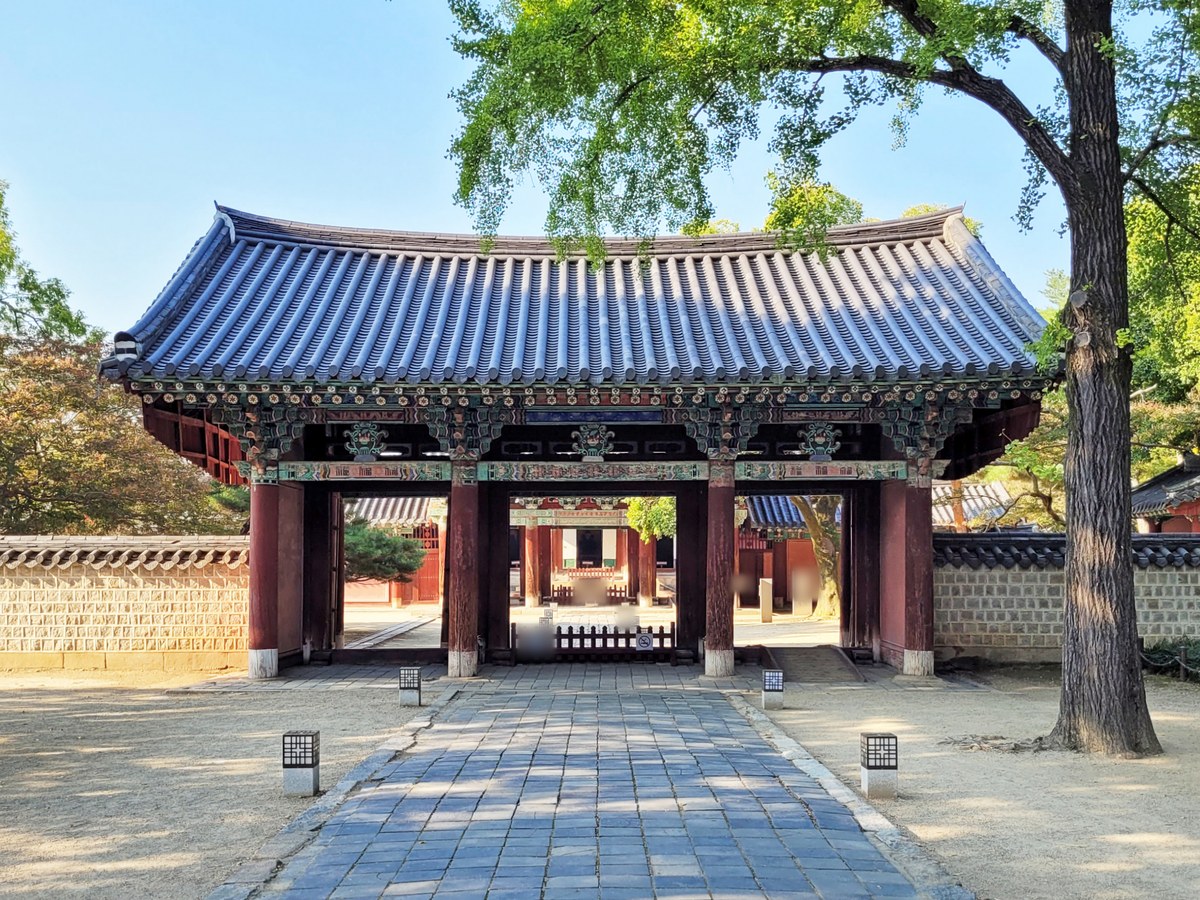
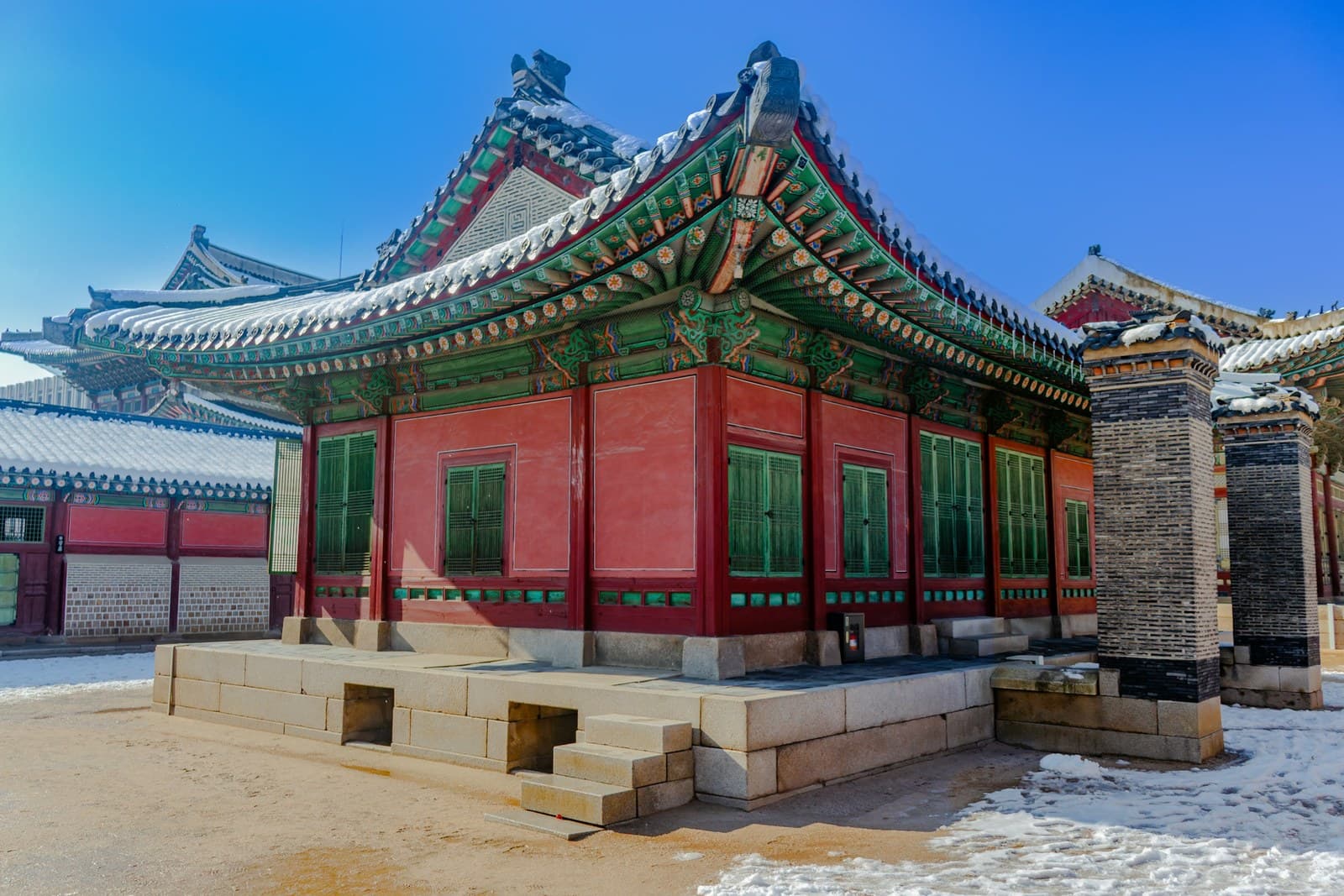
A gate inside Gyeonggijeon Shrine.
12:00 · Lunch
Have Jeonju Bibimbap. The city describes its version as rice cooked in beef bone broth, topped with Jeonju bean sprouts, yellow muk (a jelly), and traditionally fermented gochujang and soy sauce. Restaurants that serve it are spread around the Hanok Village, the old town, City Hall, and the city's main markets.
13:00 · Jeondong Cathedral
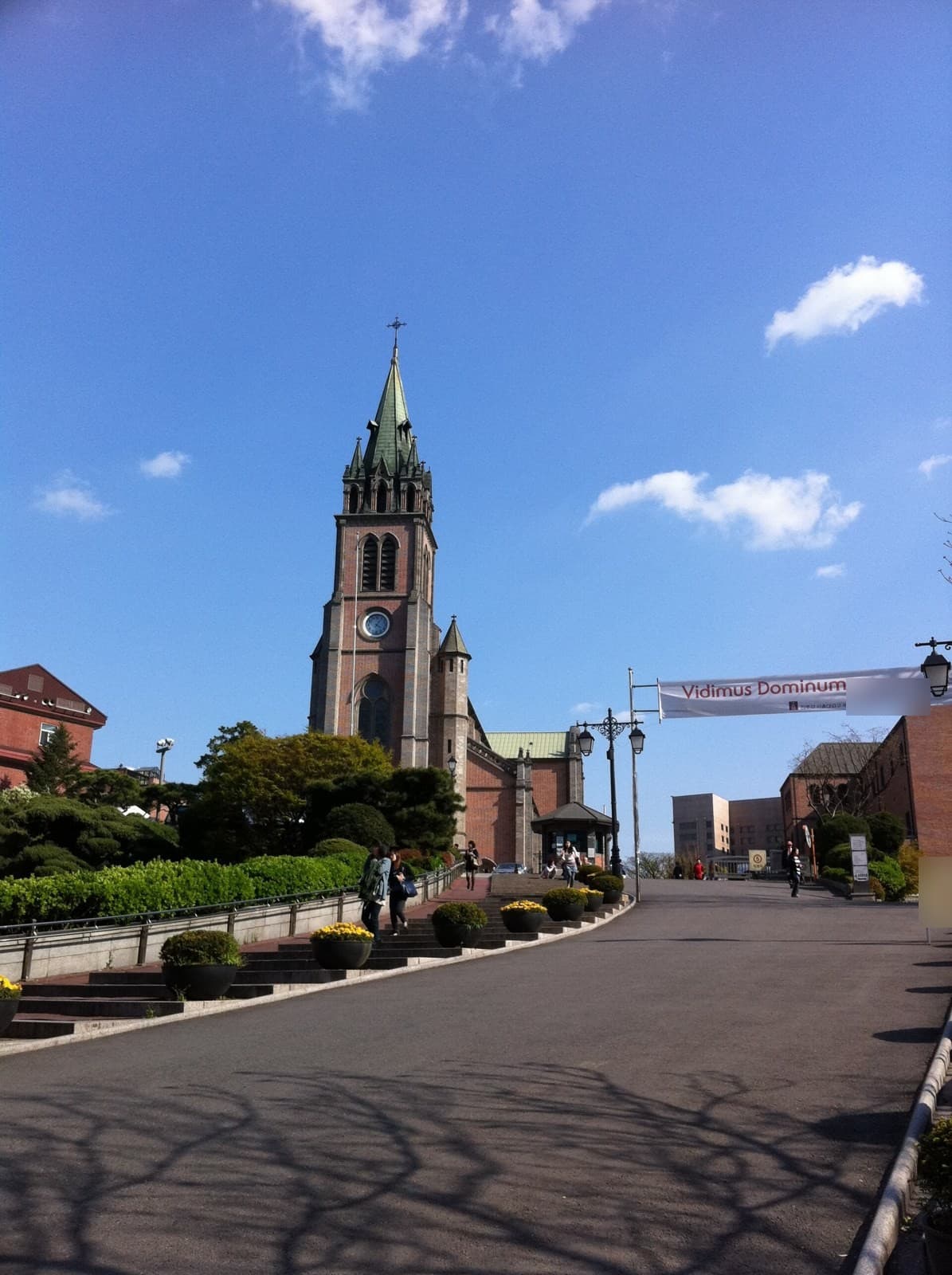
Built between 1907 and 1914, Jeondong Cathedral mixes Romanesque and Byzantine styles in red brick. It stands on the site of a place of martyrdom, and its cornerstone is said to come from the broken wall of Pungnammun. It is open to visitors from 09:00 to 17:00, except during Mass, and entry is free.
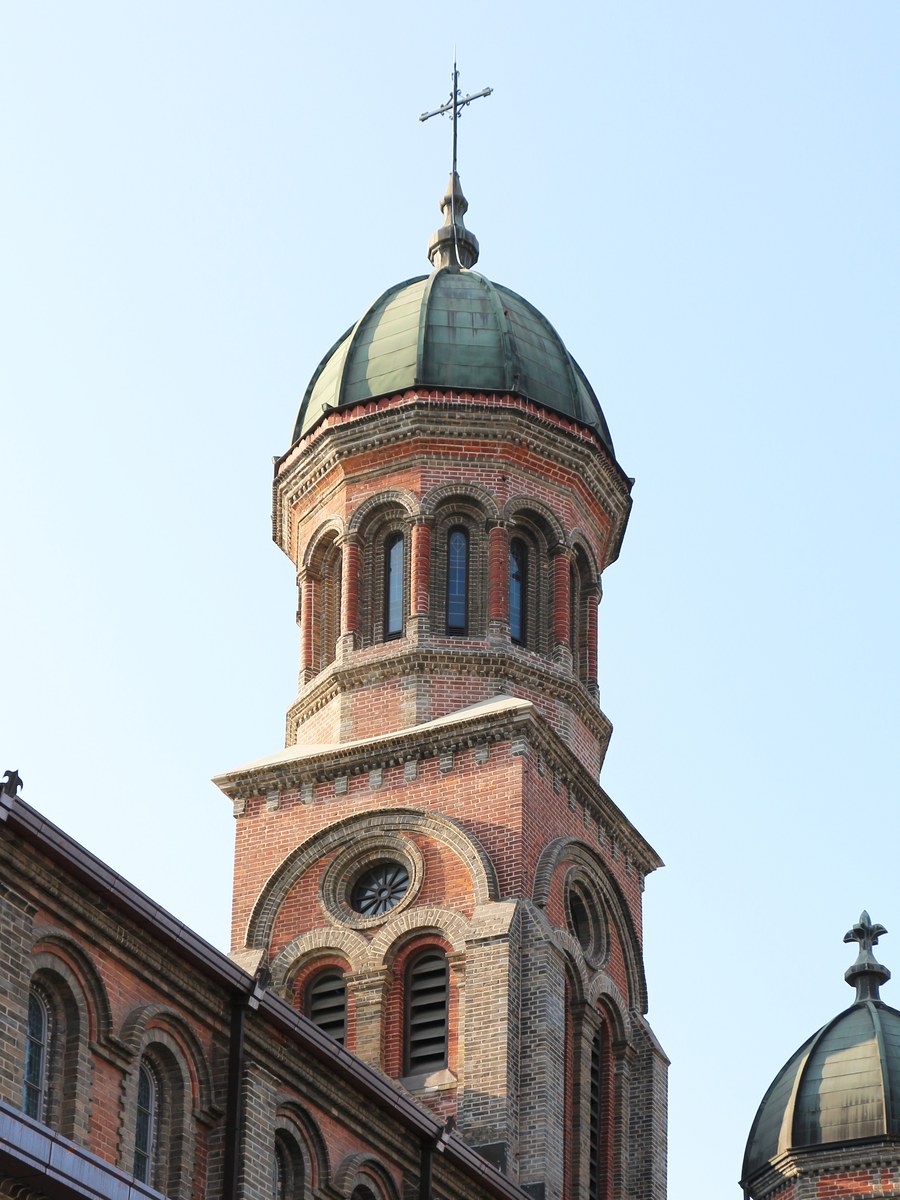
The bell tower of Jeondong Cathedral.
14:00 · Hanok Village lanes and Jeonju Hyanggyo
Spend an hour in the lanes of the Hanok Village, then walk to Jeonju Hyanggyo, a Confucian school founded in the Goryeo period. Its current buildings date from the reign of King Seonjo of Joseon. It is open 10:00 to 18:00, and entry is free.
LOCAL TIP
The Hanok Village has a free shuttle bus. It loops from Public Parking Lot No. 4 via Jaman Mural Village and the Taejo-ro bus stop, then back to Lot No. 4. On weekdays it leaves Lot No. 4 at 10:20, 10:50, 11:20, and 11:50, then every 30 minutes from 13:00 to 18:30 (the 18:30 run is timed from the Taejo-ro stop). On weekends and public holidays it runs frequently from 10:00 to 18:30.
15:30 · Pungnammun Gate and Nambu Market
Pungnammun was the south gate of Jeonju's old walled town and is the only one of its four main gates still standing. It sits between the Hanok Village and Nambu Market. The market is known for bean sprout soup with rice, often served with moju, a liquor boiled with medicinal herbs, and for pisundae, a soft, thick blood sausage eaten with chives and vinegared red pepper paste.
17:00 · Back to the station
Leave yourself time to get from the Hanok Village to Jeonju Station by taxi or city bus. If you bought your return ticket at the station, keep it with you; you will need it to find your car and seat.
What to eat in Jeonju
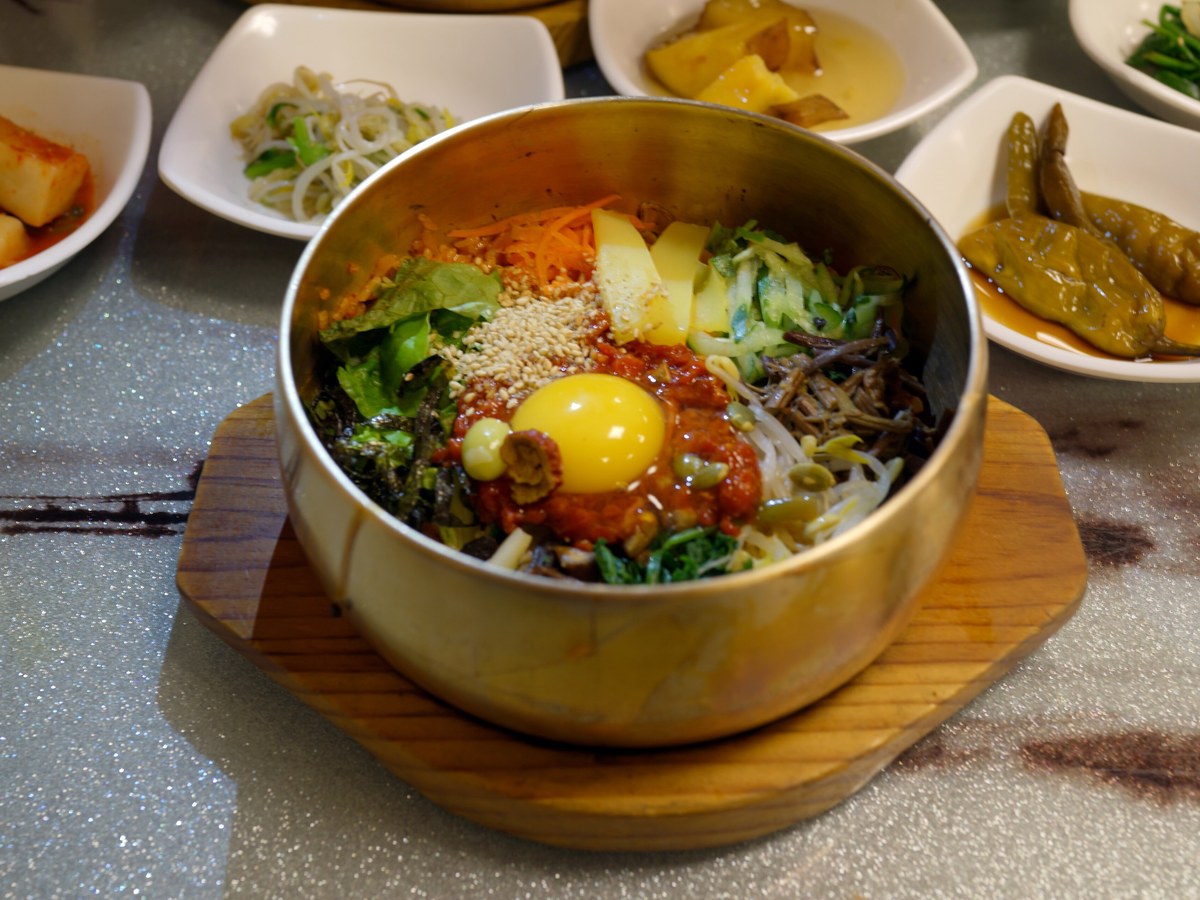
Bibimbap with side dishes.
Jeonju Bibimbap: the city's signature dish.
Bean sprout soup with rice: a Nambu Market favorite for a hangover, good with a poached egg and roasted laver.
Pisundae: Nambu Market's blood sausage, softer and thicker than sundae elsewhere.
Hotteok: a sweet filled pancake baked on a griddle, one of the city's winter street snacks.
Tteokbokki: spicy-sweet rice cakes, often with hot fish cake soup.
Steamed buns and dumplings: a winter favorite; several shops in Jeonju have long histories.
Staying the night
If one day feels short, stay over. The city recommends a night in a hanok inside the Hanok Village, where you sleep on a heated floor. Book early for weekends.
Before you go: a short checklist
Book your KTX both ways on Korail, and keep the e-ticket on your phone.
Check the spelling: Jeonju, not Gyeongju, Cheongju, or Jinju.
Note which station or terminal your return leaves from.
Plan to be at Gyeonggijeon before 17:00, its last entry time in winter.
Check the hours of each place on its official page before you go.
FAQ
How long does the KTX from Seoul to Jeonju take?
About 1 hour and 40 minutes. Trains to Jeonju leave Yongsan more often than Seoul Station, so search from Yongsan first.
Can I book the KTX to Jeonju as a foreign visitor?
Yes. Korail's English website takes bookings with your passport details and an email address, and accepts cards issued abroad. KTX tickets are also sold in the Korail+ app, which has combined the old SRT app and Korail Talk since August 3, 2026. You can also buy tickets at the station, but weekend trains can sell out.
What time does Gyeonggijeon Shrine open in winter?
From November to February, Gyeonggijeon is open 09:00 to 18:00, with the last entry at 17:00.
Related guides: First Time in Busan? 5 Places Worth Seeing, Beach to Market · Korean Banchan Guide: Side Dishes Explained · Korea Taxi Apps Compared: Uber, Kakao T, k.ride
Operated by Bong Tour Co., Ltd.
The Simplyur Korea Letter
Korea travel dates, about once a month.
Dates, hours and entry rules for the weeks ahead. Each one is checked against an official source.
We email about once a month. Unsubscribe anytime. Privacy policy